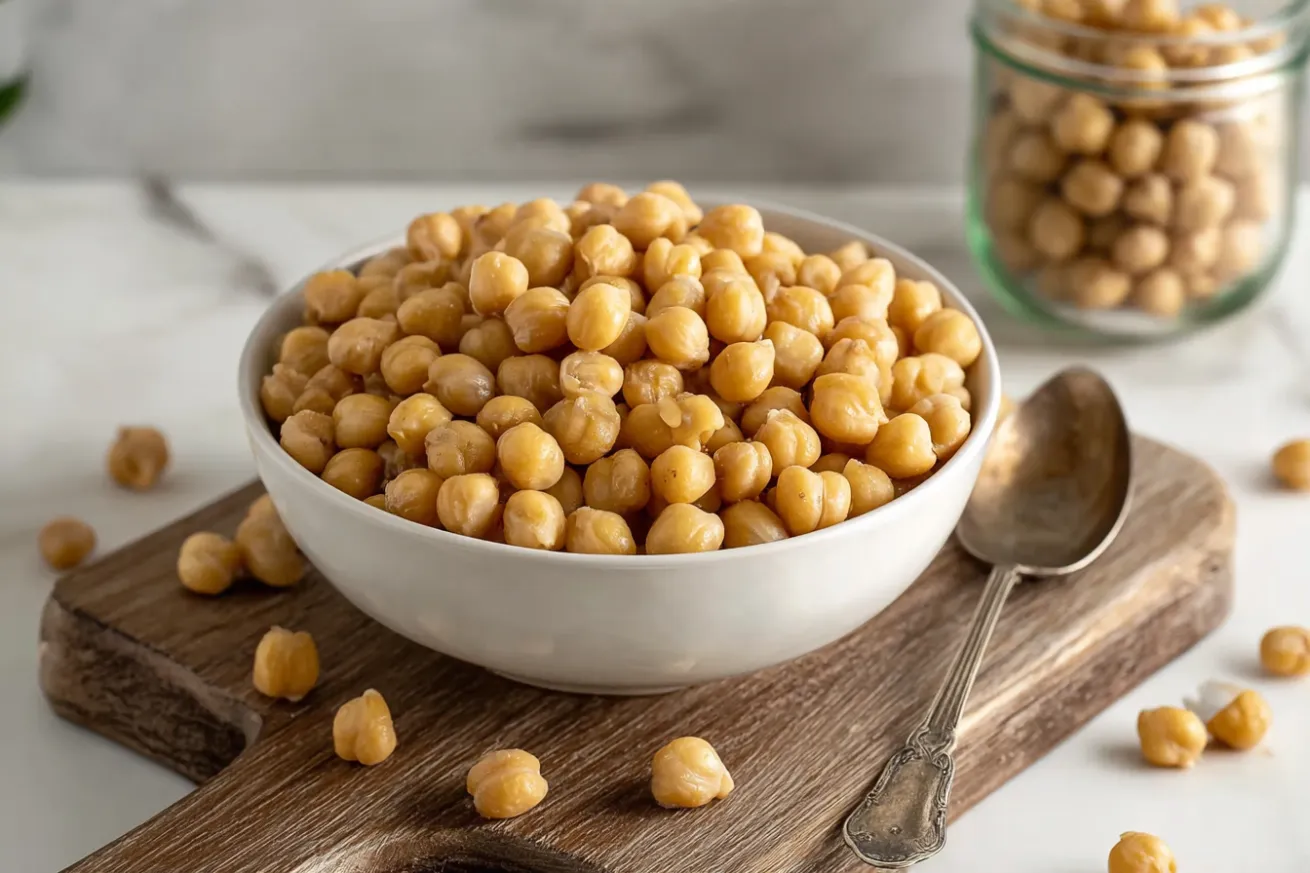
Dried vs. Canned Chickpeas: Why Homemade Wins on Flavor & Cost
Chickpeas, often called garbanzo beans, are a culinary chameleon – a versatile, protein-packed legume celebrated in cuisines worldwide. From the creamy depths of hummus to the hearty texture of Indian curries and the vibrant crunch of Mediterranean salads, chickpeas are a beloved staple. While canned chickpeas offer undeniable convenience, many home cooks are discovering the significant advantages of preparing dried chickpeas from scratch. This journey not only elevates the flavor and texture of your dishes but also empowers you with greater control over ingredients and costs. If you've ever felt a twinge of guilt reaching for that can, prepare to unlock a superior culinary experience as we delve into how to prep cook freeze dried chickpeas for unparalleled results.The Unbeatable Advantages of Dried Chickpeas
The choice between dried and canned chickpeas boils down to more than just convenience. Opting for dried chickpeas offers a host of benefits that impact taste, health, and your wallet:- Superior Flavor & Texture: This is arguably the most compelling reason. Dried chickpeas, when cooked at home, boast a fresher, more robust, and distinctly nutty flavor profile. Their texture is firmer yet creamier, avoiding the slightly mushy, sometimes metallic notes that can plague canned varieties. This difference shines through in dishes where chickpeas are the star, like hummus or roasted chickpeas.
- Economical Choice: Dried chickpeas are significantly more affordable than their canned counterparts. A single bag of dried chickpeas can yield several times the amount of cooked chickpeas compared to a can, offering substantial savings over time. It's an excellent strategy for budget-conscious meal planning.
- Control Over Sodium & Additives: Many canned chickpeas come packed in brine with high levels of sodium. When you cook dried chickpeas, you have complete control over the salt content, making it a healthier choice for those managing their sodium intake. Furthermore, you avoid any artificial preservatives or chemicals often found in processed foods.
- BPA-Free Peace of Mind: A growing concern for many consumers is Bisphenol A (BPA), a chemical sometimes used in the epoxy resin linings of food cans. By choosing dried chickpeas, you completely bypass this potential exposure, providing an added layer of health assurance.
- Extended Pantry Shelf Life: Dried chickpeas are a true pantry hero, capable of being stored for years when kept in a cool, dry place. This makes them an ideal emergency staple and reduces the need for frequent grocery runs.
From Pantry to Plate: Mastering Homemade Chickpeas
The notion of cooking dried chickpeas might seem daunting initially, but it's a straightforward process that rewards you with delicious, perfectly textured legumes. The key lies in understanding how to prep cook freeze dried chickpeas efficiently.Preparation: Soaking for Success
Soaking is the crucial first step that kickstarts the cooking process, softens the beans, and aids in better digestion. There are two primary methods:
- Overnight Soak (Traditional Method): Simply place your dried chickpeas in a large bowl, cover them with plenty of cold water (at least 3-4 inches above the beans, as they will expand significantly), and let them soak for 8-12 hours, or overnight.
- Quick Soak Method: If you're short on time, you can bring the chickpeas and water to a boil on the stovetop, let them boil for 5 minutes, then remove from heat, cover, and let them stand for 1 hour.
After soaking, drain the chickpeas and rinse them thoroughly. They're now ready for cooking.
Cooking Methods: Achieving Perfection
Once soaked, cooking dried chickpeas to tender perfection is relatively hands-off. You have several convenient options:
- Stovetop: This classic method involves simmering the soaked and rinsed chickpeas in a large pot with fresh water (and a pinch of salt, if desired) until tender. Cooking time typically ranges from 1-2 hours, depending on the age of the beans and desired tenderness.
- Instant Pot (Pressure Cooker): The Instant Pot is a game-changer for dried chickpeas, drastically reducing cooking time. After soaking, chickpeas can be cooked in about 15-20 minutes under high pressure, followed by a natural release.
- Slow Cooker: For a truly hands-off approach, soaked chickpeas can be cooked on low for 3-4 hours or high for 1.5-2 hours. This is perfect for setting and forgetting.
No matter the method, the goal is tender chickpeas that hold their shape. A simple test is to mash one between your fingers; it should yield easily. For a comprehensive walkthrough of each method and detailed instructions, refer to our guide: Cook & Freeze Dried Chickpeas: The Ultimate Meal Prep Guide.
Understanding Yields: Beyond the Can
One common question is how many dried chickpeas you need to match a canned equivalent. Here's a handy conversion:
- 1 cup of dried chickpeas yields approximately 3 cups of cooked chickpeas.
- A 450g (1 lb.) bag of dried chickpeas will yield an impressive 1.4 kg (3 lb. 4 oz) of cooked chickpeas!
- When a recipe calls for "1 can of chickpeas," this typically refers to about 245 g (8.6 ounces) of drained mass. Knowing this helps you portion your homemade chickpeas accurately.
Future-Proofing Your Kitchen: Freezing Cooked Chickpeas
The real magic of preparing dried chickpeas at home, especially for busy individuals, lies in the ability to freeze them. This ensures you always have a ready supply, eliminating the "convenience" factor often associated with cans. Learning how to prep cook freeze dried chickpeas effectively is the ultimate meal prep hack.The Freezing Process: Lock in Freshness
- Cool Completely: After cooking, drain the chickpeas and let them cool down completely to room temperature. This is crucial to prevent condensation and ice crystals from forming in the freezer, which can lead to freezer burn.
- Portion Smartly: Measure out your cooked chickpeas into recipe-ready portions. A great tip is to measure out the equivalent of "1 can of chickpeas" (approx. 1.5 cups cooked) into individual freezer bags or airtight containers. This mimics the convenience of canned goods without the downsides.
- Prevent Freezer Burn: To maintain optimal quality and prevent freezer burn, ensure your storage containers are as airtight as possible. Freezer-safe bags, squeezed of excess air, or vacuum-sealed bags are excellent choices. You can also add a small amount of the cooking liquid to the bag/container before freezing for extra moisture, especially if you plan to use them in hummus or stews.
- Label and Date: Always label your frozen chickpeas with the date. Cooked chickpeas can be stored in the freezer for up to 6 months without significant loss of quality.
Having a stash of perfectly cooked, frozen chickpeas means healthy, delicious meals are just moments away. For more in-depth strategies on maximizing your kitchen's efficiency with legumes, explore our guide: Batch Cook & Freeze Chickpeas: Store Smarter, Waste Less.
Recipe Inspiration: Putting Your Homemade Chickpeas to Work
With your freshly cooked, perfectly textured chickpeas ready, a world of culinary possibilities opens up. The superior flavor and texture of homemade chickpeas truly elevate these dishes:- Creamy Hummus: Forget store-bought! Homemade hummus with warm, tender chickpeas is unparalleled. Their creaminess blends beautifully, and the fresh flavor shines through.
- Hearty Stews and Curries: Add them to vegetable tagines, lentil stews, or robust chickpea curries. They absorb flavors wonderfully without becoming mushy.
- Crunchy Roasted Snacks: Toss with olive oil and your favorite spices, then roast until crispy for a healthy, satisfying snack or salad topping.
- Vibrant Salads: From Mediterranean grain bowls to fresh green salads, chickpeas add a delightful protein boost and textural contrast.
- Flour Power: While this article focuses on the whole bean, remember that chickpea flour (besan) is another versatile form, great for savory pancakes, flatbreads, and thickening agents in Indian cuisine.
- Aquafaba: Don't forget the cooking liquid! The leftover liquid from cooking dried chickpeas, known as aquafaba, is a fantastic egg substitute in vegan baking, perfect for meringues, mousses, and mayonnaise.
